
July 14, 2015
Old Photo: A Fishing Dam?
Here's an old photo from 1910 taken in Luangprabang along the Nam Kan River, showing how they created an almost dam like structure made of bamboo to catch fish. ການໃສ່ລອບທີ່ນ້ຳຄານຫຼວງພະບາງ1910 ການໃສ່ລອບນີ້ຕອ້ງໃສ່ເວລານ້ຳມາກ


July 10, 2015
Old Photo: The Tat Luang in 1889

ສັາງຂຶ້ໃນ1566ຖືກທຳລາຍປຸ້ນສະດົມຈາກກອງທັບພະມ້າແລະພວກສະຫຽາມ ເມື່ອທາ່ນປາວີມາພົບເຫັນອົງພະທາດຍັງເຫຼືອແຕ່ຊາກ ໃນ1896ຖືກຟ້າຜ່າເຮັດໃຫ້ທາດຫຼວງຂຸດໂຊມລົງອີກ
July 09, 2015

July 08, 2015
So Intense You Can Smell It From Far Away
Here's another excerpt, how another writer characterizes and tries to explain what padek is. This one is from a book called Food from Northern Laos - The Boat Landing Cookbook by Dorothy Culloty, Galangal Press, 2010. Page 41.
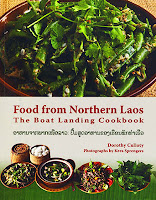 "This extremely pungent, opaque fermented fish sauce incorporates chunks of fish. It is eaten raw or cooked in a variety of Lao dishes; it is used extensively in Thailand's Isaan province, home to many Lao. It is also made and used in northern and central Thailand. Padek's odour is so
 "This extremely pungent, opaque fermented fish sauce incorporates chunks of fish. It is eaten raw or cooked in a variety of Lao dishes; it is used extensively in Thailand's Isaan province, home to many Lao. It is also made and used in northern and central Thailand. Padek's odour is so
From Cheese to Padek
I thought it'd be interesting to share how other writers characterize or try to explain what padek is to others.
 Here's an excerpt taken from a book entitled Hot Sour Salty Sweet - a culinary journey through southeast Asia by Jeffrey Alford and Naomi Duguid, Random House, 2009, page 220.
"Fermented fish: Raw foods can be intimidating, scary even, especially if they're soured or fermented, or transformed in a way that's unfamiliar. Those of us who were raised in some blend of European-North American culinary tradition tend to love cheese. The fact that it's a fermented product doesn't bother us - in fact, for many of us, the smellier, the better. But for many Southeast Asians, the first reaction to cheese, or yogurt, is an appalled aversion: "Yuck!" sums it up.
 Here's an excerpt taken from a book entitled Hot Sour Salty Sweet - a culinary journey through southeast Asia by Jeffrey Alford and Naomi Duguid, Random House, 2009, page 220.
"Fermented fish: Raw foods can be intimidating, scary even, especially if they're soured or fermented, or transformed in a way that's unfamiliar. Those of us who were raised in some blend of European-North American culinary tradition tend to love cheese. The fact that it's a fermented product doesn't bother us - in fact, for many of us, the smellier, the better. But for many Southeast Asians, the first reaction to cheese, or yogurt, is an appalled aversion: "Yuck!" sums it up.
July 02, 2015
China's Strong Investments in Laos Bringing a Transformation
Reported by: Suwatchai Songwanich (Bangkok Bank) for The Nation (Thailand), June 8 2015
Until recently, most of China's investments were in energy and raw materials, such as hydroelectric dams, mining and forestry, but now it is diversifying into areas such as real estate and transport.
The biggest planned investment is a rail link between Kunming in China and Vientiane and Thailand. This has been stalled for some years but received a boost last year when Thailand signed an agreement with China to build the Thai section from the Eastern Seaboard to Nong Kai.
The idea is to connect Thailand's major industrial region and ports with China, with part of the route running through Laos. However, how can Laos afford it?
Until recently, most of China's investments were in energy and raw materials, such as hydroelectric dams, mining and forestry, but now it is diversifying into areas such as real estate and transport.
The biggest planned investment is a rail link between Kunming in China and Vientiane and Thailand. This has been stalled for some years but received a boost last year when Thailand signed an agreement with China to build the Thai section from the Eastern Seaboard to Nong Kai.
The idea is to connect Thailand's major industrial region and ports with China, with part of the route running through Laos. However, how can Laos afford it?
Lao Villagers Must Accept Land Compensation or Face Detention
Reported by: Ounkeo Souksavanh and Joshua Lipes, Radio Free Asia, June 22 2015
Authorities in the Lao capital Vientiane have threatened to detain a group of villagers if they do not accept compensation to vacate their land, which the local government has granted as a concession to a development firm owned by the former mayor’s daughter and son-in-law.
According to a complaint letter recently submitted to the Lao National Assembly’s (parliament) petition unit, nearly all of more than 500 families in Vientiane’s Xiengda village were forced to accept compensation of five million kip (U.S. $615) per hectare (one-sixth of an acre) or “face imprisonment.”
Authorities in the Lao capital Vientiane have threatened to detain a group of villagers if they do not accept compensation to vacate their land, which the local government has granted as a concession to a development firm owned by the former mayor’s daughter and son-in-law.
According to a complaint letter recently submitted to the Lao National Assembly’s (parliament) petition unit, nearly all of more than 500 families in Vientiane’s Xiengda village were forced to accept compensation of five million kip (U.S. $615) per hectare (one-sixth of an acre) or “face imprisonment.”
Subscribe to:
Posts (Atom)